Bolsa Corridor Commercial Insights: Maximizing Multi-Tenant & Dual-Zoned Assets
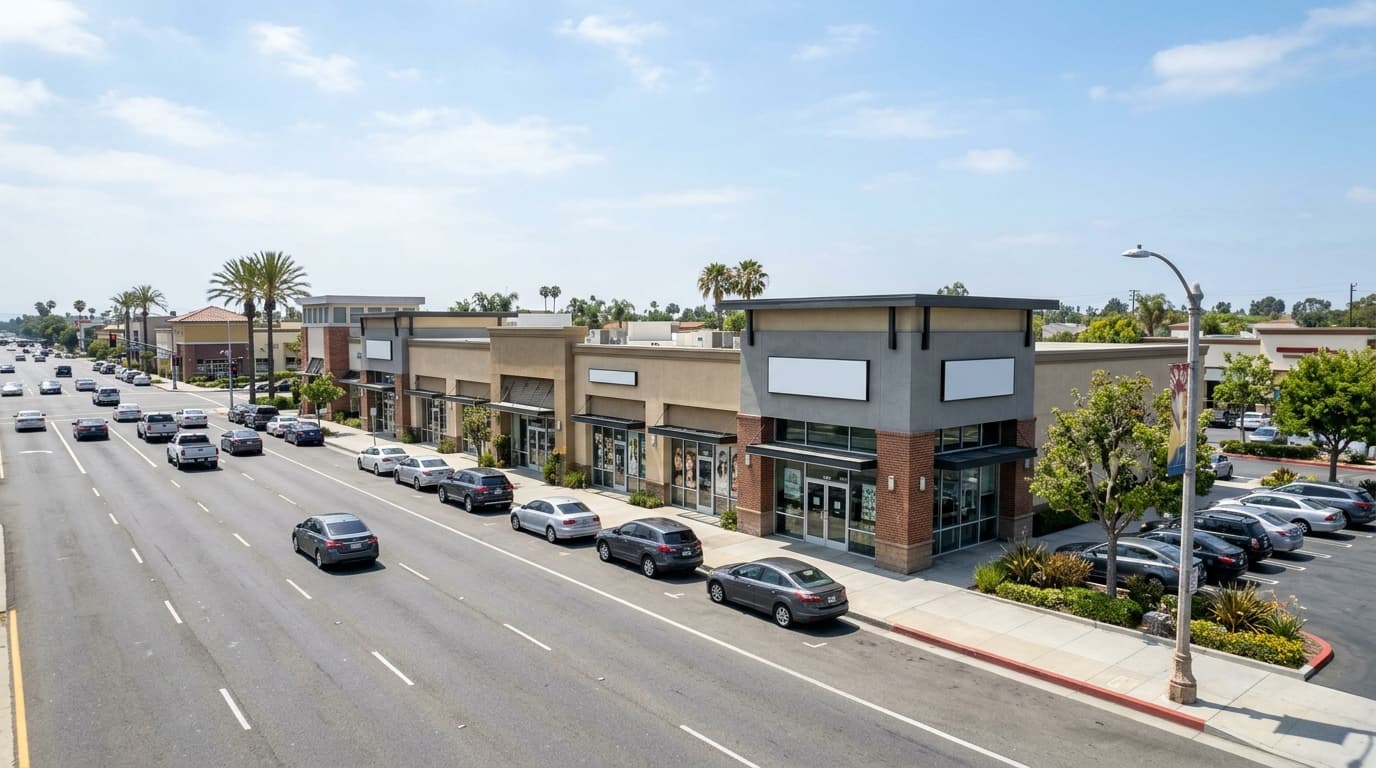
How to evaluate multi-tenant and mixed-use properties along the Bolsa Avenue corridor, from tenant mix and lease structure to zoning flexibility and due diligence.
The Bolsa Avenue corridor, running through Westminster, Midway City, and neighboring Garden Grove, is one of Orange County's busiest commercial districts. Strong foot traffic, an established customer base, and a dense mix of retail, dining, service, and professional uses make it attractive to investors. Multi-tenant and mixed-use properties can offer stable income, but they also reward careful analysis. Here is a practical framework.
Why Multi-Tenant Properties Appeal to Investors
A building with several tenants spreads income risk. If one tenant leaves, others continue to pay. A diverse tenant mix, including food, medical, professional services, and daily-needs retail, can also help a property stay resilient through economic cycles. Properties with dual or flexible zoning may offer additional options, such as combining commercial space with residential or office uses where permitted.
Read the Rent Roll Like an Investor
The rent roll lists tenants, lease terms, rents, and expiration dates. Study it closely:
- Tenant quality and business type: established operators generally carry less risk
- Lease expirations: a cluster of leases ending in the same year creates rollover risk
- Weighted average lease term: a quick measure of income stability
- Rent versus market: below-market leases may offer upside, and above-market leases may be at risk
- Security deposits and guaranties: confirm they exist and are documented
Understand the Lease Structure
Commercial leases differ in who pays operating costs:
- Triple net (NNN): tenants pay taxes, insurance, and maintenance in addition to rent
- Modified gross: costs are shared according to the lease
- Gross: the landlord covers most expenses
Ask how common-area maintenance charges are calculated and reconciled. Confirm that recoveries match actual expenses, since disputes here can hurt returns.
Zoning and Land Use Questions
Properties along the corridor fall under different jurisdictions, including cities and, in some cases, county-governed unincorporated areas. Verify the following:
- Current zoning and allowed uses for each tenant space
- Legal nonconforming status, if the building predates current rules
- Mixed-use or overlay districts that might allow residential or other uses
- Parking requirements, which are a frequent constraint on older properties
- Pending changes to local plans that could help or hurt value
Do not assume a use is allowed because a tenant is operating there today. Check the permits.
Physical and Environmental Due Diligence
Older commercial properties can hide expensive problems. Ask for:
- A property condition report covering roofs, HVAC, plumbing, electrical, and parking surfaces
- An accessibility review for compliance with federal and state requirements
- A Phase I environmental site assessment, especially if the property or neighbors have had uses such as gas stations or dry cleaners
- A seismic review, where appropriate for the structure
Underwriting the Numbers
Calculate net operating income using verified rents and actual expenses, and apply realistic vacancy and capital reserves. Compare the cap rate to similar properties, but remember that cap rates vary with tenant quality, lease length, and location. Evaluate the debt service coverage ratio against what lenders typically require, and stress test for a tenant leaving.
Financing Basics
Commercial loans differ from residential loans. They commonly require larger down payments, shorter terms with longer amortization, and detailed underwriting of the property and the borrower. Terms vary by lender and property type, so talk to a commercial lender before bidding.
Value-Add Opportunities
Investors sometimes create value by renewing leases at market rates, re-tenanting vacancies with stronger operators, improving curb appeal and signage, adding efficient use of excess land or parking, or repositioning space. Each plan requires a realistic budget and timeline.
A Disciplined Approach
Success on the corridor comes from knowing the street, the tenants, and the rules. If you want help evaluating commercial opportunities, join the Private Investor Registry to receive vetted listings and market analysis.
This article is general information and not legal, tax, or investment advice. Consult an attorney, CPA, and qualified lenders before acquiring commercial property.
- #commercial real estate
- #Bolsa Avenue
- #multi-tenant
- #mixed-use
- #Midway City
- #Westminster
- #investment property
Planning a sale around this decision?
Request transaction coordination support from Duc Minh Lam. Services requiring real-estate licensure are handled by the applicable licensed professional. See coordination services.
Join Private Investor RegistryGeneral information only, not legal, tax, or financial advice. Disclosures.