Demystifying Closing Costs & Property Taxes: Transparent Financial Prep for California Buyers
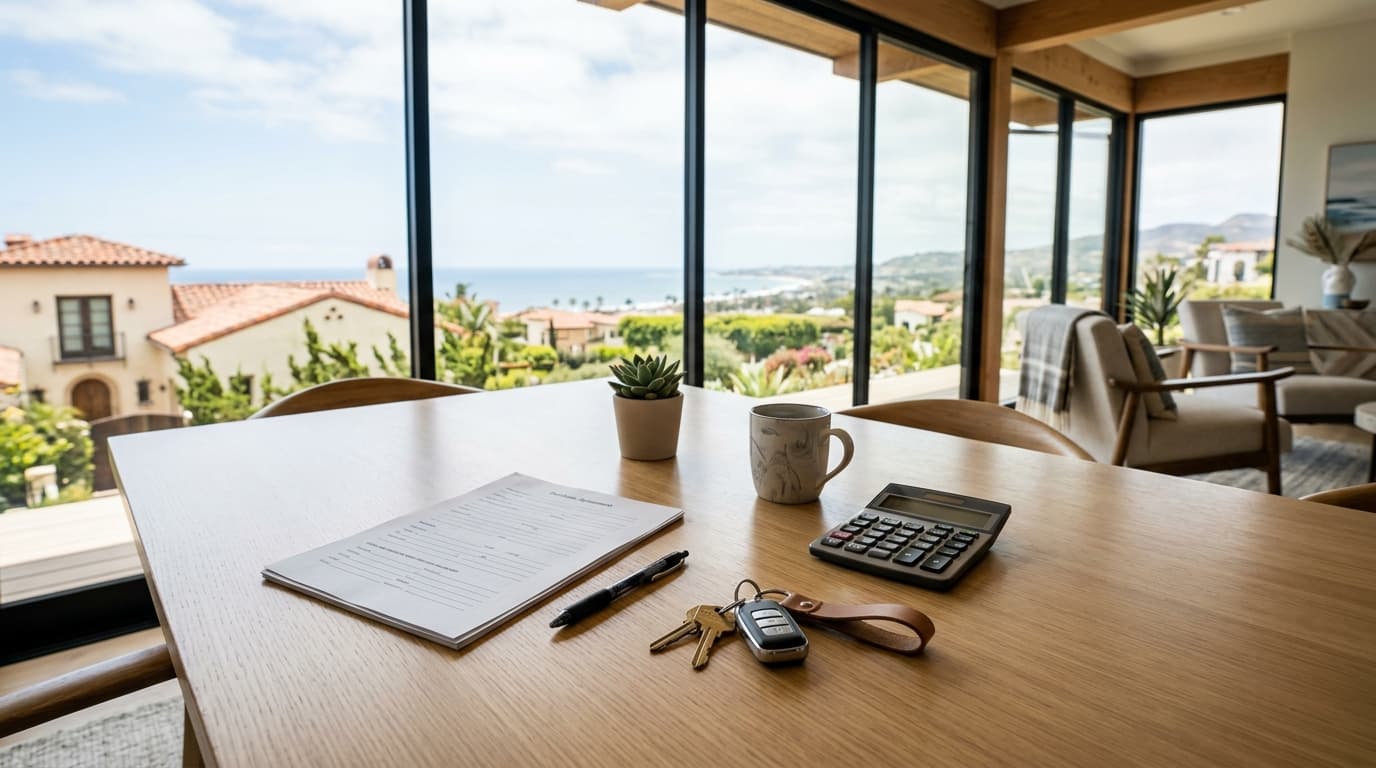
An itemized walkthrough of the fees and taxes California buyers should expect at closing and after, so there are no surprises on closing day or in your first tax bill.
Many first-time buyers prepare carefully for the down payment and then discover that closing day brings another list of expenses. Property taxes add another layer of questions, especially because California's system has its own rules. This guide breaks down the costs in plain language so you can plan with confidence.
How Much to Expect
Buyer closing costs commonly run about 2% to 3% of the purchase price, though the number varies by loan, location, and negotiations. That figure is separate from your down payment. Your Loan Estimate will give you your lender's version, and your escrow officer can provide a detailed estimate for title and escrow charges.
The Main Categories of Closing Costs
Lender costs
- Origination or underwriting fees
- Appraisal and credit report charges
- Discount points, if you choose to buy down your rate
Title and escrow costs
- Lender's title insurance policy, required by your lender
- Owner's title insurance policy, which protects you. Customs about who pays vary by area and are negotiable.
- Escrow fees, often shared between buyer and seller by custom or negotiation
- Recording and notary fees
Government fees
- County documentary transfer tax, generally 1.10 dollars per 1,000 dollars of sale price, customarily paid by the seller in many transactions. Some cities add their own charges.
Prepaid items
- First year of homeowners insurance
- Prepaid mortgage interest from closing through the end of the month
- An initial deposit into an impound account for taxes and insurance, if your lender requires one
Understanding California Property Taxes
California property taxes follow a few key rules:
- The base rate is 1% of the assessed value, set by Proposition 13.
- Assessed value resets on purchase. After you buy, the county assesses the property at or near your purchase price.
- Annual increases are capped, generally at 2% per year while you own the home.
- Voter-approved charges are added. Bonds, special districts, and Mello-Roos assessments can raise your bill above 1%.
As an illustration only, on a $900,000 purchase the 1% base would be $9,000 per year. With additional local charges, many buyers see a total somewhat higher. Always check the actual bill and any special assessments for the specific property.
The Supplemental Tax Bill Surprise
Because the county reassesses at purchase, you may receive a supplemental tax bill reflecting the difference between the old and new assessed values for the remainder of the fiscal year. It arrives separately from your regular bill and is usually not paid through your impound account. Many first-time buyers are caught off guard, so set aside funds for it.
When Property Taxes Are Due
California property taxes are generally paid in two installments, due November 1 and February 1, with penalties after December 10 and April 10. If you have an impound account, your lender pays them for you. If not, mark the dates on your calendar.
Budgeting a Realistic Monthly Payment
Add up principal and interest, property tax, homeowners insurance, mortgage insurance if applicable, and HOA dues. Then add a maintenance reserve. That number, not just the loan payment, is your true monthly housing cost.
Ways to Reduce Cash at Closing
- Negotiate seller credits toward closing costs
- Compare lenders for lower fees
- Ask about lender credits, which may come with a slightly higher rate
- Time your closing near month-end to reduce prepaid interest
- Explore assistance programs that help with closing costs
Review Everything Early
Ask your lender and escrow officer for estimates at the start of escrow, and compare your Closing Disclosure carefully with your Loan Estimate several days before signing. Questions are easier to resolve early.
To keep every number in one place, download the First-Time Buyer Resource Guide, which includes a closing cost worksheet and a property tax planning checklist.
This article is general information and not legal, tax, or financial advice. Fees and customs vary; confirm details with your lender and escrow officer.
- #closing costs
- #property taxes
- #Prop 13
- #supplemental tax bill
- #California buyers
- #escrow
Planning a sale around this decision?
Request transaction coordination support from Duc Minh Lam. Services requiring real-estate licensure are handled by the applicable licensed professional. See coordination services.
Download First-Time Buyer Resource GuideGeneral information only, not legal, tax, or financial advice. Disclosures.